The Practical Guide to Electric Scooters
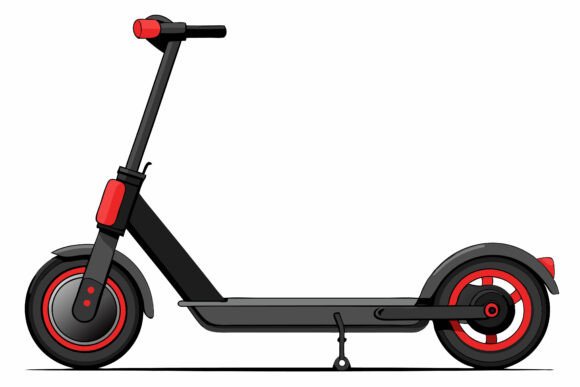
The rise of the electric scooter represents a significant shift in urban mobility and personal transportation. An electric scooter is a compact, battery-powered vehicle designed for short-distance travel, typically featuring a standing platform, two wheels, and a handlebar for steering. Unlike traditional kick scooters, an electric scooter uses an electric motor for propulsion, removing the need for physical effort and enabling faster, more efficient commutes.
Why Consider an Electric Scooter?
Interest in electric scooters is driven by several practical urban challenges and personal needs. For many, the primary motivation is navigating congested city centers where car travel is slow, expensive, and parking is scarce. An electric scooter offers a nimble alternative for trips often described as "too far to walk, but too short to drive." Commuters looking to bridge the gap between public transport stations and their final destination find them particularly useful. Furthermore, the growing awareness of environmental impact pushes individuals towards zero-emission transport options for daily errands.
Beyond commuting, electric scooters appeal to those seeking a flexible, recreational tool for exploring local neighborhoods or simply enjoying a convenient, fun way to travel. Their relative affordability, compared to cars or even many electric bicycles, makes them an accessible entry point into electric personal transport.
Benefits and Practical Advantages
The core benefits of an electric scooter are clear. They provide notable time savings for short urban trips, bypassing traffic and often allowing use on bike lanes or paths. Operating costs are extremely low, requiring only electricity for charging and minimal maintenance compared to internal combustion vehicles. Their compact size and portability solve parking problems entirely, as they can be folded and carried or stored in small spaces. From an environmental perspective, using an electric scooter reduces personal carbon footprint and local air pollution for routine journeys.
Key Trade-offs and Considerations
However, choosing an electric scooter involves balancing these advantages with some inherent limitations. The most significant trade-off is range and speed. Most consumer models offer a range of 15-30 miles per charge and speeds capped at 15-20 mph, making them unsuitable for longer or faster trips. Weather dependence is a major factor; riding in rain, snow, or on icy roads can be unsafe and impractical.
Safety considerations must be paramount. Riding an electric scooter requires balance and awareness, and sharing roads with larger vehicles carries risk. Local regulations vary widely; some cities embrace them, while others restrict or ban their use on sidewalks or certain roads. Infrastructure dependency is another consideration: access to safe charging points and secure storage at both ends of a journey is crucial. Finally, while the upfront cost is lower than a car, a quality electric scooter still represents a meaningful investment, and battery longevity over years of use is a key performance expectation.
Situations Where an Electric Scooter is a Strong Fit
An electric scooter aligns perfectly with specific scenarios and user profiles. It is an excellent solution for the urban commuter with a predictable, short-distance route (under 10 miles) in a city with favorable climate and supportive infrastructure. Students navigating large campuses or traveling between campus and nearby housing find them immensely practical. Individuals living in dense metropolitan areas where last-mile connectivity from transit hubs is a daily challenge will see immediate utility.
It is also a strong fit for those seeking a secondary, supplementary vehicle for specific tasks, like running local errands or attending nearby meetings, without using a primary car. For people prioritizing a simple, low-maintenance transport option without the licensing or insurance complexities of larger vehicles, an electric scooter meets that need directly.
When Alternatives Might Be Worth Considering
Despite their advantages, an electric scooter may not be the optimal choice in all circumstances. For journeys consistently exceeding 20 miles, or requiring travel on high-speed roads, alternatives like an electric bicycle (e-bike) or public transport might be more suitable and safer. E-bikes offer greater range, comfort for longer rides, and often better integration with existing bike lane networks.
In regions with harsh, unpredictable weather or minimal paved pathways, the practicality of an electric scooter diminishes significantly. For individuals requiring the ability to carry substantial cargo or passengers, even a compact electric car or a robust cargo e-bike would be more appropriate. If local laws are restrictive or unclear, investing in an alternative mode of transport until regulations stabilize is a prudent approach.
Practical Decision-Making Insights
Evaluating whether an electric scooter aligns with your goals requires a realistic assessment of your primary use case. Map your most frequent trip: measure the distance, identify the terrain (hills, smooth pavement, gravel), and check the weather patterns. Research your city's specific regulations regarding where you can legally and safely ride.
When comparing models, look beyond top speed and focus on real-world range, battery charge time, build quality, and weight if portability is needed. Consider where you will charge it and store it securely both at home and at your destination. Factor in the cost of essential safety gear—a helmet is non-negotiable—and potential accessories like lights or a carrying bag. Ultimately, an electric scooter is not a replacement for all transport, but a strategic tool for specific, regular trips. Its value is highest when it solves a clear, recurring problem in your daily mobility pattern.
By objectively weighing its compact efficiency against its limitations in range and environment dependence, you can determine if an electric scooter is a worthwhile investment for your lifestyle. It represents a step towards more flexible and sustainable urban living, provided your needs match its core design purpose.